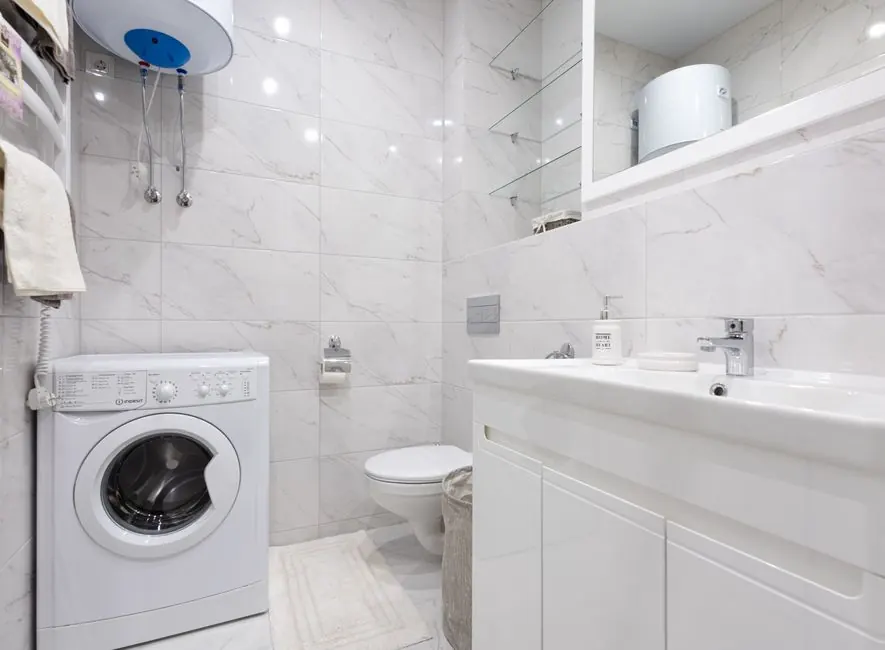
Flushing your water heater is a critical maintenance task that can prevent sediment buildup, which can impair performance and efficiency. In McKinney, where water quality can vary, understanding how to flush your water heater is essential for homeowners. This guide will walk you through the flushing process, the importance of regular maintenance, and when it might be time to call in professionals.
Understanding Sediment Buildup
Over time, minerals and debris can accumulate at the bottom of your water heater tank, forming sediment. This buildup can lead to several issues, including:
- Reduced heating efficiency
- Increased energy costs
- Potential damage to the heating element
- Discolored water
In McKinney, the local water supply may contain higher levels of minerals, making regular flushing even more important. Sediment buildup can cause your water heater to work harder, leading to premature failure.
Why Flushing is Necessary
Flushing your water heater serves multiple purposes:
- Improved Efficiency: Regular flushing helps maintain the efficiency of your water heater, ensuring it heats water quickly and effectively.
- Extended Lifespan: Keeping the tank free of sediment can prolong the life of your water heater, saving you money on replacements.
- Better Water Quality: Flushing removes contaminants that can affect the taste and clarity of your water.
For those in McKinney, understanding the benefits of flushing your water heater can lead to significant long-term savings and improved performance.
How to Flush Your Water Heater
Flushing your water heater is a straightforward process. Here's how to do it:
- Turn Off the Power or Gas: For electric water heaters, turn off the circuit breaker. For gas models, set the thermostat to the "pilot" setting.
- Close the Cold Water Supply Valve: This valve is usually located at the top of the tank.
- Attach a Hose: Connect a garden hose to the drain valve at the bottom of the tank.
- Open the Drain Valve: Place the other end of the hose in a bucket or outside. Open the valve to let the water and sediment flow out.
- Flush the Tank: After draining, briefly open the cold water supply valve to stir up any remaining sediment. Allow it to drain again.
- Close the Drain Valve: Once the water runs clear, close the drain valve and remove the hose.
- Restore Power or Gas: Turn the power back on or set the gas valve back to its normal setting.
This process should ideally be done once a year. If you're unsure about performing this maintenance, consider hiring a water heater maintenance service in McKinney.
Common Mistakes to Avoid
When flushing your water heater, avoid these common mistakes:
- Not Turning Off Power: Forgetting to turn off the power or gas can lead to serious damage.
- Neglecting Safety: Ensure the area is safe and dry to prevent slips or electrical hazards.
- Ignoring Water Temperature: Always check the temperature of the water before draining to avoid burns.
By being mindful of these pitfalls, you can ensure a safer and more effective flushing process.
When to Call a Professional
If you encounter any issues during the flushing process, or if your water heater shows signs of significant sediment buildup, it may be time to call in the experts. Water Heater Repair McKinney Specialists can provide comprehensive assistance, from flushing to complete repairs.
Frequently Asked Questions
- What is the process of flushing a water heater in McKinney?
Flushing a water heater involves turning off the power or gas, draining the tank, and removing sediment buildup. It is a straightforward process that can improve efficiency and extend the lifespan of your unit. - How often should I flush my water heater in McKinney?
It is recommended to flush your water heater at least once a year, especially in areas like McKinney where water quality may contribute to sediment buildup. - Can I flush my water heater myself?
Yes, homeowners can flush their water heaters by following the proper steps, but if you're uncomfortable or face issues, it's best to hire a professional. - What tools do I need to flush my water heater?
You typically need a garden hose, a bucket, and basic tools to turn off the water supply and drain valve. - Will flushing my water heater improve water quality?
Yes, flushing removes sediment and minerals that can affect the taste and clarity of your water, leading to improved water quality.
For more information on maintaining your water heater, consider checking out our water heater inspection service in McKinney.
Get help with Water Heater Repair in McKinney
If you're experiencing issues with your water heater or need assistance with flushing, don't hesitate to reach out to us. Our team at Water Heater Repair McKinney Specialists is ready to help you maintain your system efficiently. Call us at 9725440072 for expert service.